The customer
Calls and messages with the job in view. She uses her own name and tells people plainly that she is AI.
Your company’s custom AI · Built on Forge
Meet Sabina. Your dedicated company AI, shaped around your business. She carries the conversation and the work that follows. You decide what she may do.
Hi, I’m Sabina. I work a little differently from most AI systems. I can learn how your company works, help your team with everyday work, and act when you’ve given me the authority to do so. But useful and authorized are not the same thing. Ask me to prepare the payment? Absolutely. Ask me to approve it when I don’t have treasury authority? No. And no, I can’t promote myself. That would rather defeat the point. Give me a little time with your company and something more interesting starts to happen. I don’t just remember more. I begin to connect the patterns already present in your company’s work across conversations, decisions, customers, and outcomes. That means I can help your team understand not just what happened, but what may be changing and what deserves attention next.
Starts under your supervision. Scope grows by your say-so.

The video couldn’t load. Open the video or try again.
Meet Sabina
Calls, follow-up, receivables, and the decisions that land on your desk. Give the work one place to go, with the company context that joins it together.
Calls and messages with the job in view. She uses her own name and tells people plainly that she is AI.
The receivables process you approve, with attention to disputes, relationships, and when to stop and ask.
Text her as you would a foreman. Get a rundown, with the decisions that need you brought back to you.
The unsigned change order. The expiring permit. Work carried toward closure, with evidence in the record.
Her scope starts narrow. Today she works under direct supervision. Voice runs on Forge’s own line; she does not yet answer a customer’s.
What she carries, in detail →Contractor to contractor.
Built here, for a shop like yours. She’s taught how we work and given her authority in writing — what we authorize is what she can do. Give authority. Change authority. Take it back. Meet her at hiresabina.ai.


iPad LiDAR captures the geometry in about sixty seconds. Hyperion prices from the scan and puts the proposal in front of the customer for signature in one visit.
Explore Hyperion →Live today. Connecting that estimate to Sabina’s governed job record is still in development. No measured cycle-time reduction is claimed.
Forge is our first contractor vertical and proof point. Meet Sabina at hiresabina.ai ↗

In production on Forge
since March 2026
Built in a real business
“I used to keep the whole schedule in my head and a spiral notebook. Now I can leave at five.”
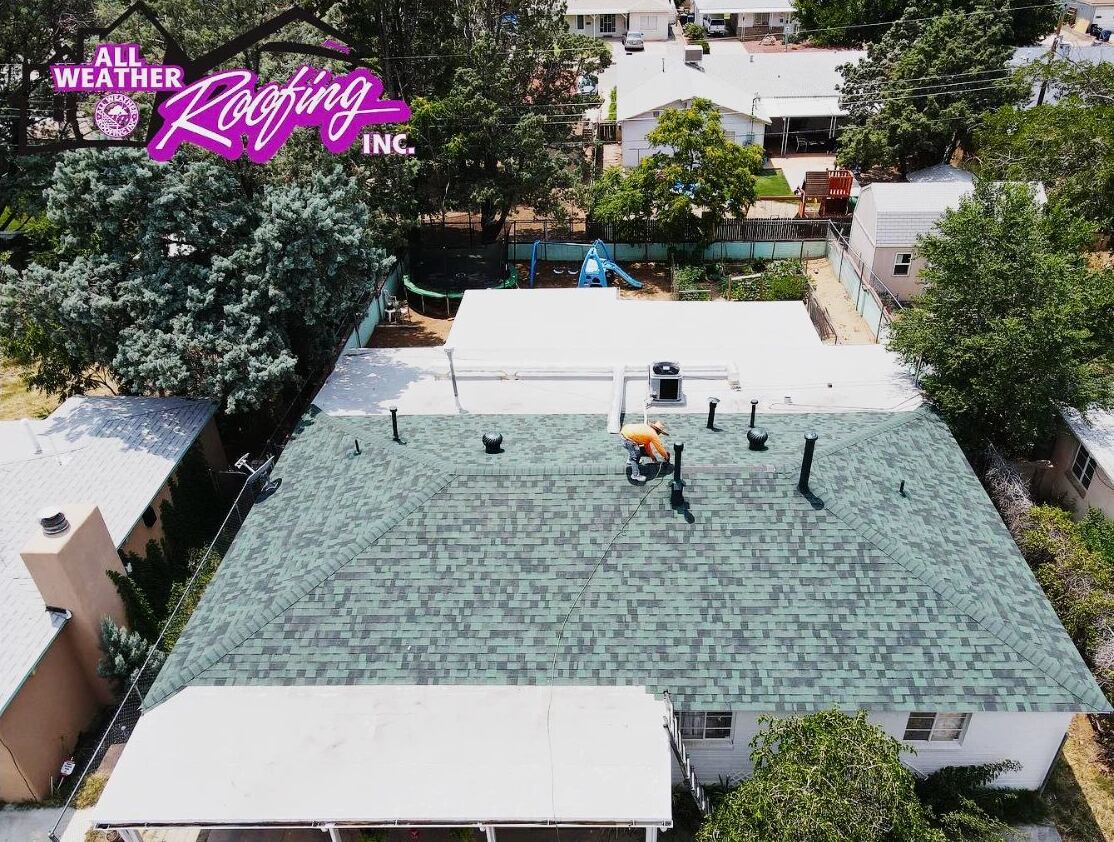
Samantha Breeding · Office manager · All Weather Roofing
This is testimony about Forge. Forge and Hyperion run here, paid for. Sabina’s seat is signed; she has not started.
Read the customer story →Commercial roofing is live at All Weather Roofing. AV & security runs at a founder-affiliated integrator.
Commercial roofing Live
AV & security Live · related-party
Fire & life safety, solar, and property management are in development, with no production customer yet.
Explore trade scope →How hiring works
Sabina is hired into your company. We scope the work together and put the price and terms in writing before you commit.
Custom quote Forge Core included
Unlimited users. No per-call or scan metering. A one-time setup fee is disclosed at the job-description call and due before onboarding.
A self-serve readiness assessment, under five minutes. This is your request to recruit her.
Accept, decline, or defer within 48 hours. A decline leaves the standing arrangement open.
A thirty-minute call. You write the job; we listen. Price and terms are set here.
Ten to fifteen minutes, provisioned with your material. She asks questions back.
The seat, its obligations, and a decision date named in advance. All in writing.
One signed, two spoken for and not yet signed, seven open. Every tool we ship to ourselves is included for as long as you hold the seat.
Core, Hyperion (Core included), Sigil, and Torch are also available on their own, each custom quoted. Treasury is in development and carries no price.
Setup-fee refundability, the duration of the seat, and what happens if you stop are settled at the job-description call and written into the offer before you commit.
Read the full hiring and charter information →A closer look
Built by Mark and Bri Lord, from the field and the back office of service businesses.
Meet the founders →Sabina by Forge
Start with the readiness assessment. No second application.